
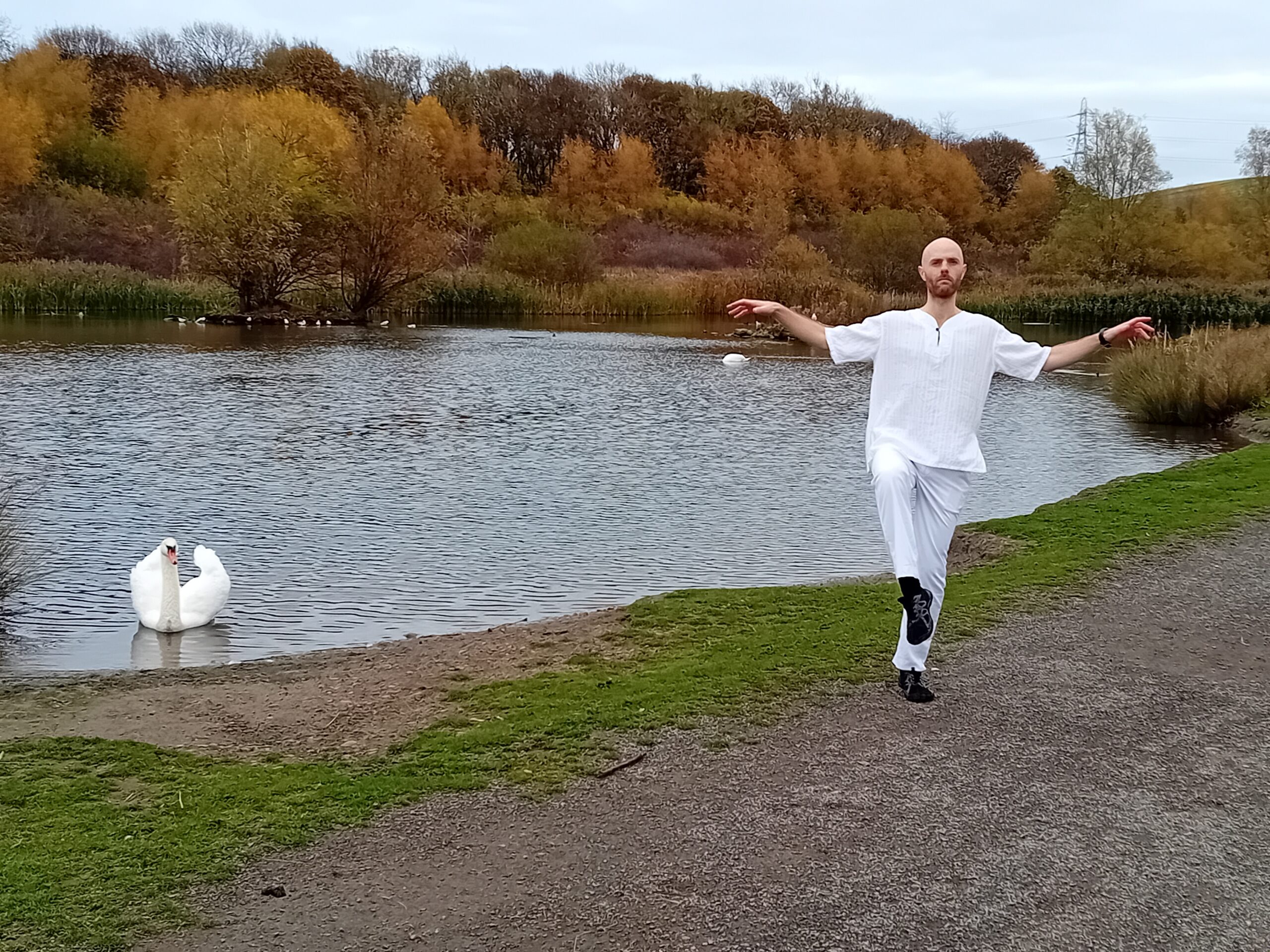
Health and healing share an etymological connection with wholeness. I find it useful to consider what each word describes, and how healing might involve moving towards wholeness.
Health can describe how we feel at a particular time: our energy, comfort, clarity and capacity to move. Healing involves a process, including how we respond when those things change.
A photograph and a river
Health seems like a snapshot of a moment in time, while healing seems like a river flowing towards the sea. It does not need to reach the sea to have value in its journey. It keeps moving, adapting to the landscape and shaping its path with creative spontaneity.
The changing landscape can challenge us to let go and yield around obstacles in our path, while remaining present on our journey. We might not be “there” yet, but we can recognise our freedom to flow.
Some days arrive with ease, and others arrive with tension, tiredness or a busy mind. I can have an idea of how I’d like to feel, while accepting how I do feel. Both can exist. I don’t need to compare my present experience to an imagined state of health.
I find gentleness and curiosity helpful when exploring how my body feels without judgment. If I keep returning to how I think I should feel, I can overlook what would support me now.
A curious twist
When I rest in the present moment, a problem often looks different, because attention has stepped away from the version I anticipated and the version I replayed.
Feeling my feet, noticing my breathing and observing my surroundings can help me recognise how much of my attention has gone into that thinking. In that sense, presence changes how a problem exists for me. We can change our perspective, even when something physical remains unchanged.
Qigong as healing in motion
In Qigong, I can begin by noticing how my body feels that day. As I shift my weight, raise my arms or turn, I sense where tension might exist, where movement feels comfortable, and where I have space to explore.
Sometimes a small adjustment changes how a movement feels. I might soften my knees, change the range of movement, or notice whether my breathing has become strained. Through that exploration, I develop a sense of what I can work with.
I find this useful beyond a session too. What I need can change through the day, and something that helped yesterday may need adapting today. Practice gives me a way to recognise those changes and explore a response.
Connecting with presence
Preparation, regulation and a sense of safety can support us in finding presence.
When healing, we often ask, “How do I fix this?” It might also help to ask, “How do I meet this?” Understanding what we need can help us respond with compassion and recognise an action that supports those needs.
We can also give attention to our health during times when we feel comfortable and at ease. In that sense, we can use our health to protect our health, drawing on the capacity we have today to care for ourselves.
A short practice
Here’s a short practice you can try, and you don’t need to wait until you notice tension or restlessness.
- Feel how your body contacts the ground and distributes its weight.
- Bring attention to your breathing and its natural rhythm.
- Notice how you feel, including anything that seems to need attention.
- Ask: What might support me right now?
You might feel drawn to movement, rest, a drink of water, some time outdoors. There may be a practical concern to address, or you may need time to understand what you’re noticing.
For me, thinking about healing this way gives value to those small responses. I can care about how I’d like to feel while remaining curious about what I can do with the capacity I have today.





Leave a Reply